Feel-Good Service Is a Shore Thing tagline
HVAC ADVICE FOR THE LOWCOUNTRY

2026

Straight answers about heating, cooling and humidity in Charleston homes, written by the technicians who actually work on them.

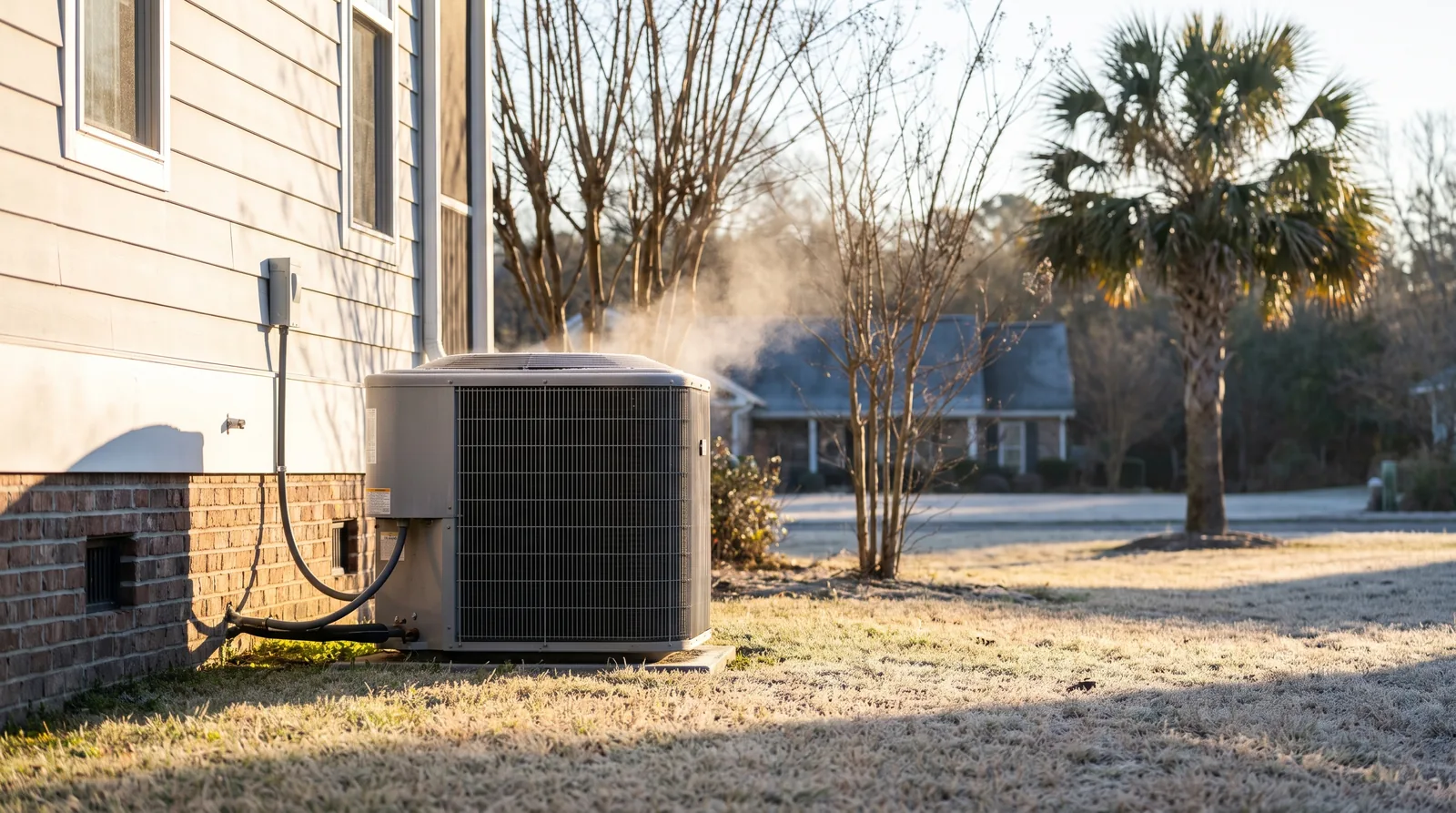
Residential outdoor heat pump running beside a South Carolina home on a frosty winter morning

Heat Pump or Furnace? How to Tell What Is Actually Heating Your Home

Most Lowcountry homes heat with a heat pump, but almost everyone calls it a furnace. Three quick tests tell you which you have, and why it matters for your winter power bill.
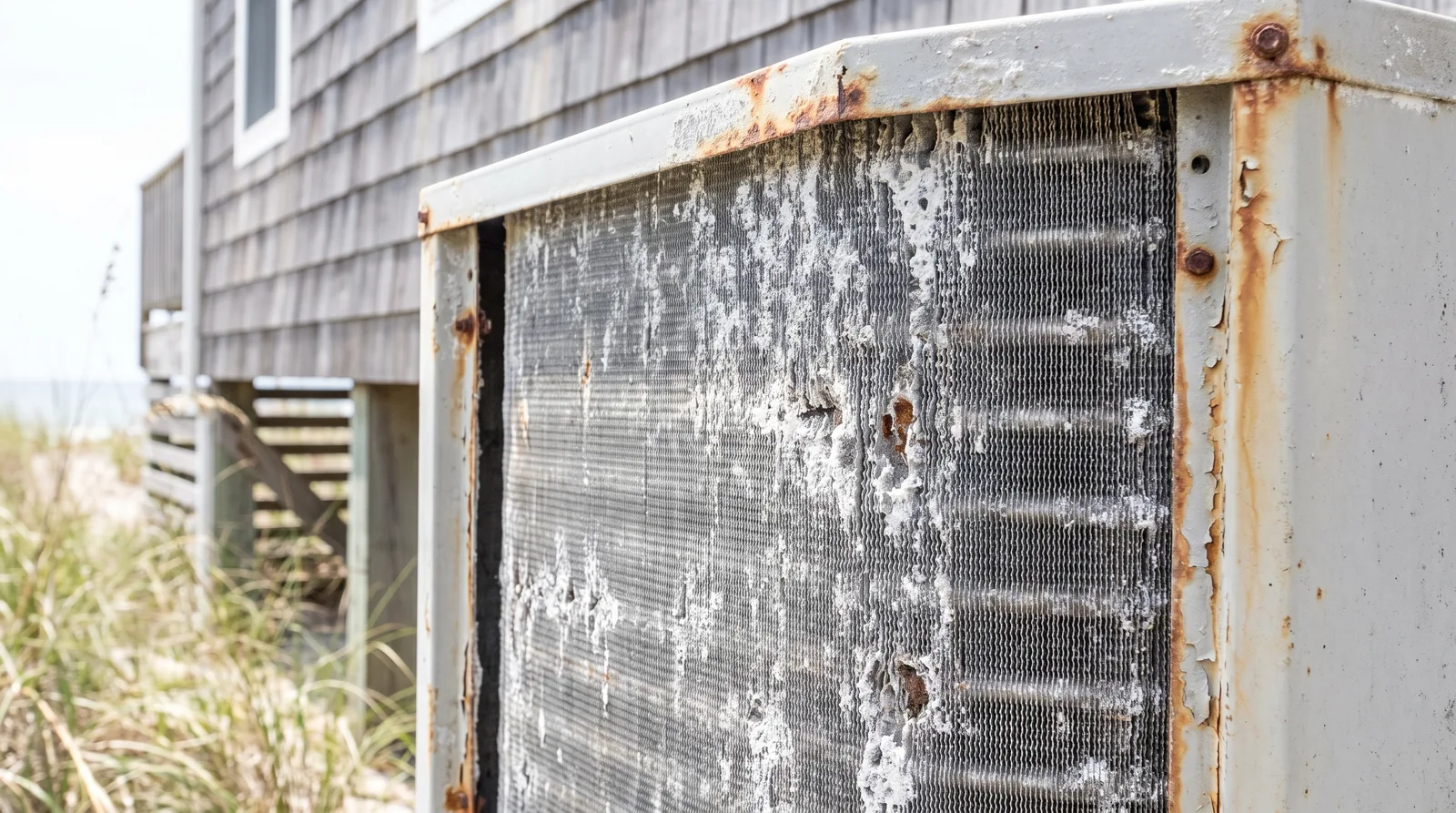
Close-up of corroded aluminum fins and cabinet on an outdoor air conditioning unit near the coast

Does Salt Air Really Damage Your AC? What Coastal Homeowners Should Know

Salt air corrodes outdoor AC units, but how much depends heavily on how close you are to the water. Here is the honest mechanism, the warning signs, and what you can safely do yourself.
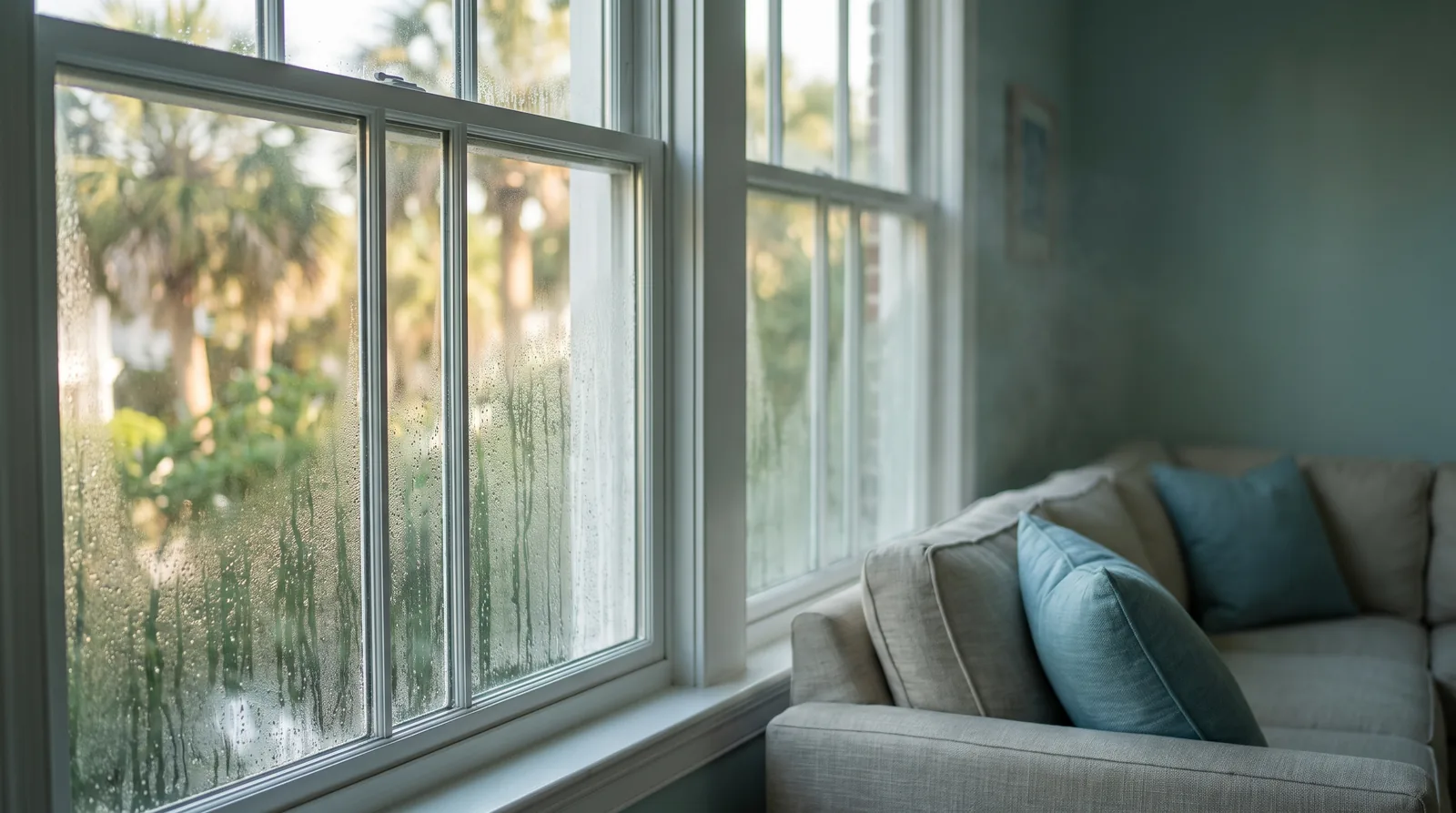
Water droplets forming on the inside of a window in a humid Charleston living room

Why Your Charleston House Feels Clammy Even When the AC Is Running

A cool house that still feels damp is a moisture problem, not a temperature one. Here is why it happens in the Lowcountry, how to test for it yourself, and what actually fixes it.
Oceanview dolphin mascot technician holding a wrench

Still Not Sure What Is Going On?

Describe what your system is doing and we will tell you honestly what it is likely to be.

COMMON QUESTIONS

Charleston HVAC Questions, Answered

Inland, 12–15 years is typical. Along the coast it is often shorter — salt air corrodes condenser coils and cabinets, and our long cooling season means the system simply runs more hours per year. Homes on the barrier islands frequently see 8–12 years unless the equipment has coastal-grade coil coatings and gets rinsed regularly.

That is a humidity problem, not a temperature problem — and it is the single most common complaint we hear in Charleston. An oversized air conditioner cools the air quickly, shuts off, and never runs long enough to pull moisture out. The fix is usually a correctly sized system, a variable-speed blower, or a whole-home dehumidifier. If your system shuts off in under about ten minutes, it is worth having us look at it.

Most Lowcountry homes have a heat pump, even though people often call it a furnace. A quick check: if your outdoor unit runs in winter, you have a heat pump. If heat only comes from an indoor unit that burns gas, it is a furnace. Either way we service both — it just changes what we look at first.

Most 2,000 sq ft Charleston homes land in a broad range depending on equipment tier, efficiency, ductwork condition and whether zoning or dehumidification is added. Rather than quote a number we cannot stand behind, we will measure the home, check the ductwork and give you a written, itemised proposal with financing options — free, with no obligation.

Our rule of thumb: if the unit is under about 10 years old and the repair is a fraction of replacement cost, repair it. If it is older, uses R-22 refrigerant, or has had multiple failures in a season, replacement usually costs less over the next five years. We will show you both numbers and let you decide — we do not work on commission.

We are not a 24-hour emergency service. Call or text 843-609-5740, or use the booking form on this site, and we will help you find the earliest time we have. Harbor Club members go to the front of the line.