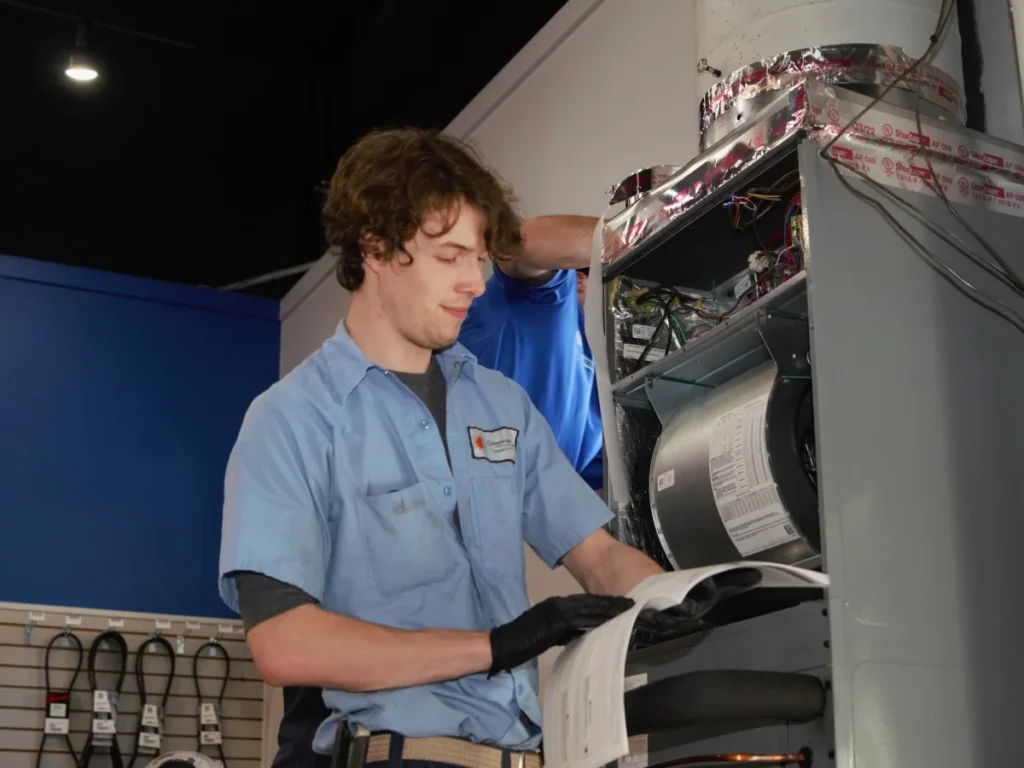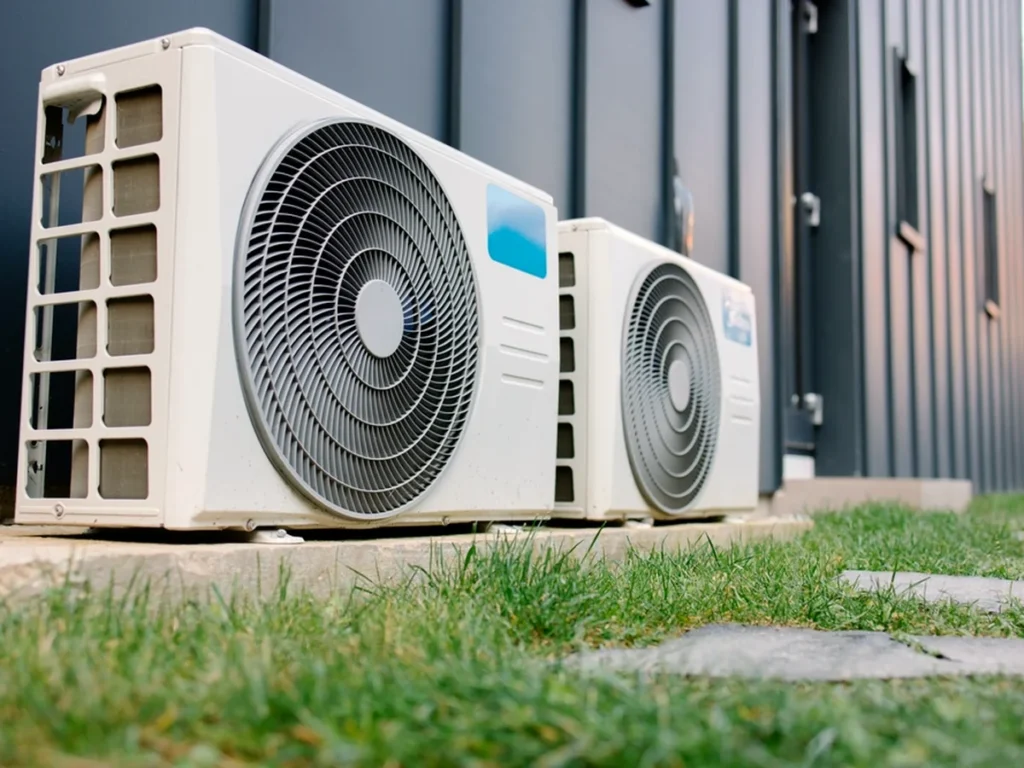

Replacing an air conditioner is a decision you live with for the next twelve to fifteen years, through eight-month cooling seasons and every August the Lowcountry can throw at you. It deserves more than a phone quote based on the tonnage stamped on the side of your old unit.
We start every replacement the same way. Someone comes to the house, measures, looks in the attic and under the floor, and asks how the house actually behaves — which rooms run hot, where it feels damp, what your power bill does in July. Then you get a written, itemized estimate. The system we recommend is the one that fits the house.
Sizing is the decision that matters most
The most common mistake in Lowcountry HVAC is installing a system that is too big. It happens because sizing by rule of thumb — square footage divided by a number, or simply matching whatever was there before — is fast and costs the contractor nothing.
We size with a Manual J load calculation instead. That means measuring the conditioned space, counting and orienting the windows, checking insulation levels, accounting for ceiling height, shading, where the ducts run and how leaky the house is. It takes longer. It is the difference between a house that feels right and one that never quite does.
Why an oversized unit leaves a house cold and clammy
An oversized air conditioner drops the temperature fast, satisfies the thermostat and shuts off. Cooling is only half the job. The other half is pulling moisture out of the air, and that only happens while the coil is running and wet. Short cycles never get there.
The result is the complaint we hear more than any other: the thermostat reads 73°F and the house still feels sticky. We see it constantly in the newer subdivisions around Nexton, Cane Bay, Carolina Park and Park West, where systems were often specified generously rather than correctly. A bigger unit makes it worse. Correct sizing, staged or variable-speed equipment, and sometimes a whole-home dehumidifier fix it.
What SEER2 actually buys you in this climate
SEER2 is the efficiency rating on the equipment label, and a higher number means less electricity for the same amount of cooling. What matters is that efficiency only pays back on hours of runtime, and we run air conditioning roughly eight months a year here. The same upgrade that takes forever to pay for itself up north has a much shorter runway in Summerville.
That does not mean the highest number on the shelf belongs in your house. Past a point you are buying efficiency you will not stay long enough to recover. We look at your usage, how long you plan to be in the home, and what the monthly difference looks like with financing in the picture.
Single-stage, two-stage and variable-speed
A single-stage system is either off or running flat out. A two-stage system spends most of its time on a lower setting. Variable-speed equipment modulates continuously and runs long, gentle stretches at a fraction of full output.
In a humid climate those longer run times are worth as much for comfort as they are for the power bill. Slow and steady is what wrings moisture out of the air.
The indoor and outdoor unit have to match
An air conditioner is not one box. The outdoor condenser, the indoor evaporator coil and the blower are engineered together and rated as a matched set. Replacing only the outdoor unit and leaving an older, mismatched coil in place is a way to hit a lower price, and it costs you the rated efficiency you paid for. If your system still runs R-22 refrigerant, the decision is made for you — it is no longer produced.
Your ductwork is part of the new system
A new condenser cannot fix bad duct. In older homes around downtown Charleston, West Ashley and James Island the ducts run through a vented crawlspace where the humidity gets at them. Insulation sags, joints pull apart, and a meaningful share of the air you are paying to cool ends up under the house.
We check static pressure and inspect the duct runs before we quote, not after. Sometimes the answer is sealing and a few targeted repairs, sometimes a section needs replacement. Either way you know before you sign anything, rather than finding out when the new system underperforms.
Coastal homes need coastal-grade equipment
Salt in the air attacks the aluminum fins and the cabinet of an outdoor unit. If you are on Isle of Palms, Sullivan’s Island, Folly Beach or Kiawah, or anywhere within a few miles of the water, a standard condenser will not last as long as the brochure suggests.
For those homes we recommend coated coils and corrosion-resistant cabinets, and we talk through elevated equipment stands and surge protection before hurricane season rather than after it. Rinsing the outdoor coil with fresh water is free and genuinely extends the life of the unit — we will show you how at your first maintenance visit.
Getting a real number
Estimates on replacement systems are free and done in your home, because that is the only place the answer exists. Price is driven by the size and type of equipment, the efficiency level you choose, the condition of your ductwork and electrical, and how hard the equipment is to get to. You get an itemized written quote covering all of it, with options rather than one take-it-or-leave-it number. Financing is available subject to approved credit.
If a heat pump suits your house better than a straight air conditioner, we will say so up front. To set up a free in-home estimate, call or text 843-609-5740 or send us a message. Every installation is backed by our 100% satisfaction guarantee.