
The most common comfort complaint we hear in the Lowcountry has nothing to do with temperature. The thermostat reads 73°F, the air conditioner is running, and the house still feels damp. Towels do not dry. The hallway smells like a boat locker. That is a humidity problem, and no amount of turning the thermostat down will fix it.
A whole-home dehumidifier is the piece of equipment that actually solves it. It installs alongside your existing system, works with your ductwork, and controls moisture independently of cooling. Once it is in, most people notice the difference the same day.
Why air conditioning alone does not dehumidify your house
Your air conditioner removes moisture only as a side effect of cooling. Warm humid air passes over a cold evaporator coil, water condenses on the coil and drains away. That works — but only while the system is actually running.
Here is the trap. On a mild, wet Charleston day in April or October, the outdoor temperature might be 76°F with 85% relative humidity. Your house barely needs cooling, so the air conditioner runs for a few minutes and shuts off. Almost no moisture gets removed, but plenty is still getting into the house through doors, crawlspaces and the walls themselves.
The same thing happens year-round in the newer subdivisions around Nexton, Cane Bay, Carolina Park and Park West, where systems are frequently sized larger than the house needs. An oversized system cools the air fast, satisfies the thermostat, and shuts down long before it has pulled meaningful water out. That is why a brand-new house can feel clammier than an old one. If your system is short-cycling like that, it is worth reading our page on AC repair and diagnosis as well, because the two problems often travel together.
What indoor humidity should actually be
The target is roughly 45% to 55% relative humidity indoors. Below about 40% the air starts to feel dry and static builds up. Above roughly 60% is where the real trouble starts:
- Mold and mildew. Surface growth needs sustained moisture. Sitting above 60% for weeks at a time gives it exactly that, especially on closet walls, behind furniture on exterior walls and around supply registers.
- Dust mites. They thrive in humid air and collapse in dry air. Lowering indoor humidity reduces the airborne allergens they produce.
- Musty odors. That smell is not the house being old. It is damp materials and microbial growth, and it goes away when the moisture does.
- Wood floors and trim. Hardwood absorbs moisture and cups at the edges. Doors stick. Cabinet joints open. This is expensive damage caused by something invisible.
- Condensation. Sweating windows, damp air vents and moisture on toilet tanks all point to indoor air holding more water than it should.
We measure relative humidity in several rooms before we recommend anything. Numbers settle arguments faster than opinions do.
Whole-home units versus the portable one in the closet
A portable dehumidifier dries the room it stands in, and only while somebody remembers to empty the bucket. In an 8-month cooling season with humidity this persistent, that bucket fills fast. Most people give up on it by July.
A whole-home dehumidifier is a different animal. It ties into your ductwork and treats every conditioned room in the house from one location. It drains continuously to a condensate line, so there is no bucket. It runs off its own humidistat, so it works when the air conditioner is idle — which is exactly when you need it most. Capacity is matched to the square footage and the moisture load of your specific house, not guessed at.
Crawlspaces, marsh air and where the moisture comes from
Plenty of older homes in downtown Charleston, West Ashley and James Island sit over vented crawlspaces. On a humid day, outdoor air enters the crawlspace, hits cooler surfaces and dumps its moisture there. That damp air then rises into the house through floor penetrations, and any leaks in the ductwork below pull it directly into your supply air.
Which means dehumidification sometimes is not the whole answer on its own. If the crawlspace ducts are separated, sagging or uninsulated, we will say so and point you toward ductwork repair first, because drying air that is being re-wet on its way to your rooms is a losing battle. After hurricane season in particular, we find crawlspaces that stayed wet for weeks and duct insulation that never dried out.
The comfort payoff, and the thermostat trick
Dry air feels cooler than damp air at the same temperature. That is not marketing, it is how evaporation off your skin works. Once indoor humidity is under control, most households find they can set the thermostat two or three degrees higher and feel more comfortable than they did before.
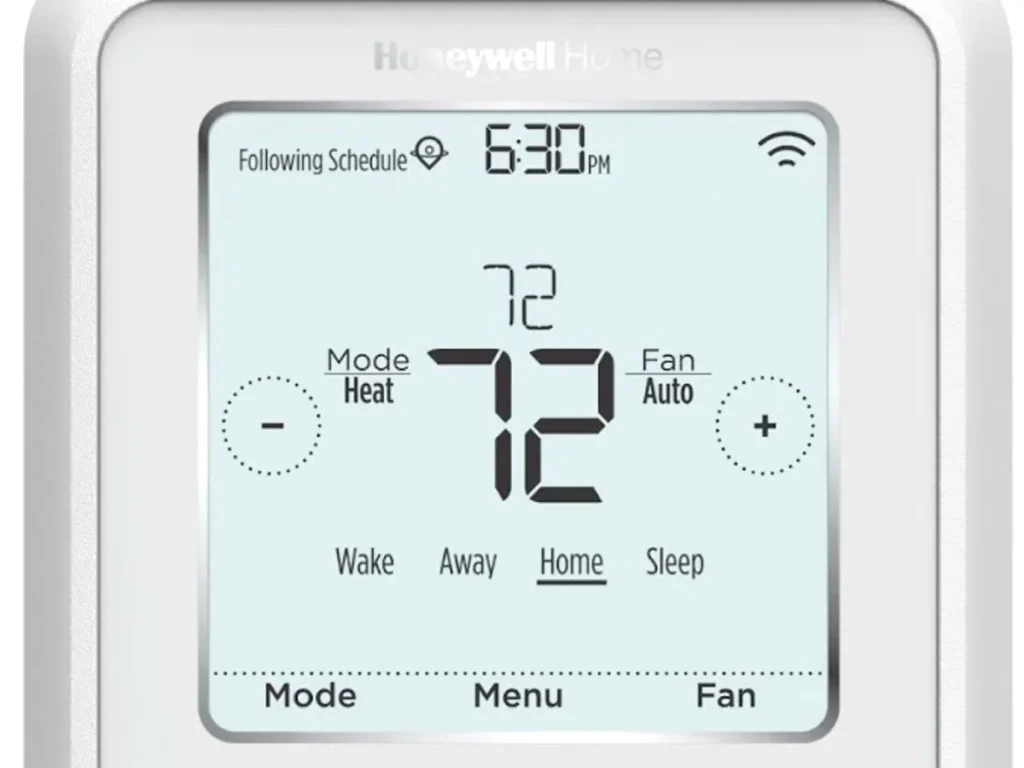
Fewer degrees of cooling also means fewer run hours on the compressor across an 8-month season. Pairing a dehumidifier with a properly configured smart thermostat and regular AC maintenance gets you the most out of it.
What installation involves
We start with a walk-through: humidity readings room by room, a look at the crawlspace or attic, an inspection of the existing ductwork and equipment, and questions about which rooms feel worst and when. Then we size the unit and show you where it would go, how it ties into the ducts, and how the condensate drains.
You get a written itemized quote before anything is ordered. What drives the cost is the capacity needed, where the unit can physically be installed, how much duct and electrical work is involved and whether existing duct problems need fixing first — not a number pulled off a chart. Financing is available subject to approved credit.
If your house is cool and still clammy, we can measure it and tell you exactly what is happening. Call or text 843-609-5740, or request a visit online. We serve Summerville, Charleston, Mount Pleasant and the surrounding Lowcountry.