

Air purification gets sold with a lot of promises. We would rather tell you what these systems genuinely do, what they do not do, and which one makes sense for your house — because in the Lowcountry the honest answer depends almost entirely on whether your problem is airborne or growing on a wet surface.
There are two different products people call air purification, and they solve two different problems. UV lights installed at the evaporator coil deal with growth on the coil and drain pan. Whole-home air cleaners deal with particles moving through the air. Buying the wrong one is a common and avoidable waste of money.
UV lights at the coil
Your indoor evaporator coil is the wettest place in your HVAC system. It sits in the dark, condensation runs across it every time the system cools, and here it does that for roughly eight months a year. Dust settles on that damp surface and forms a film. Given a Charleston summer, biological growth follows.
A coil UV light is mounted inside the air handler and shines continuously on the coil and drain pan. It keeps that surface from developing the biofilm and mold growth that causes two very specific problems: a musty smell that hits you every time the system kicks on, and a coil that gradually clogs with organic gunk and loses capacity.
What a coil light will and will not do
It works on the surface it illuminates. That is the point of it. It will not clean air that passes by at speed several feet away, and it is not a substitute for a filter. If someone tells you a coil light purifies the air in your bedroom, that is not how the physics works.
What it does do well is keep the coil clean between visits, protect the drain pan, and eliminate the musty air handler smell that is extremely common in humid climates. If your system smells like a damp basement when it starts up, this is usually the fix. Lamps have a service life and need replacing on a schedule — we handle that as part of annual maintenance so it does not get forgotten.
Whole-home air cleaners
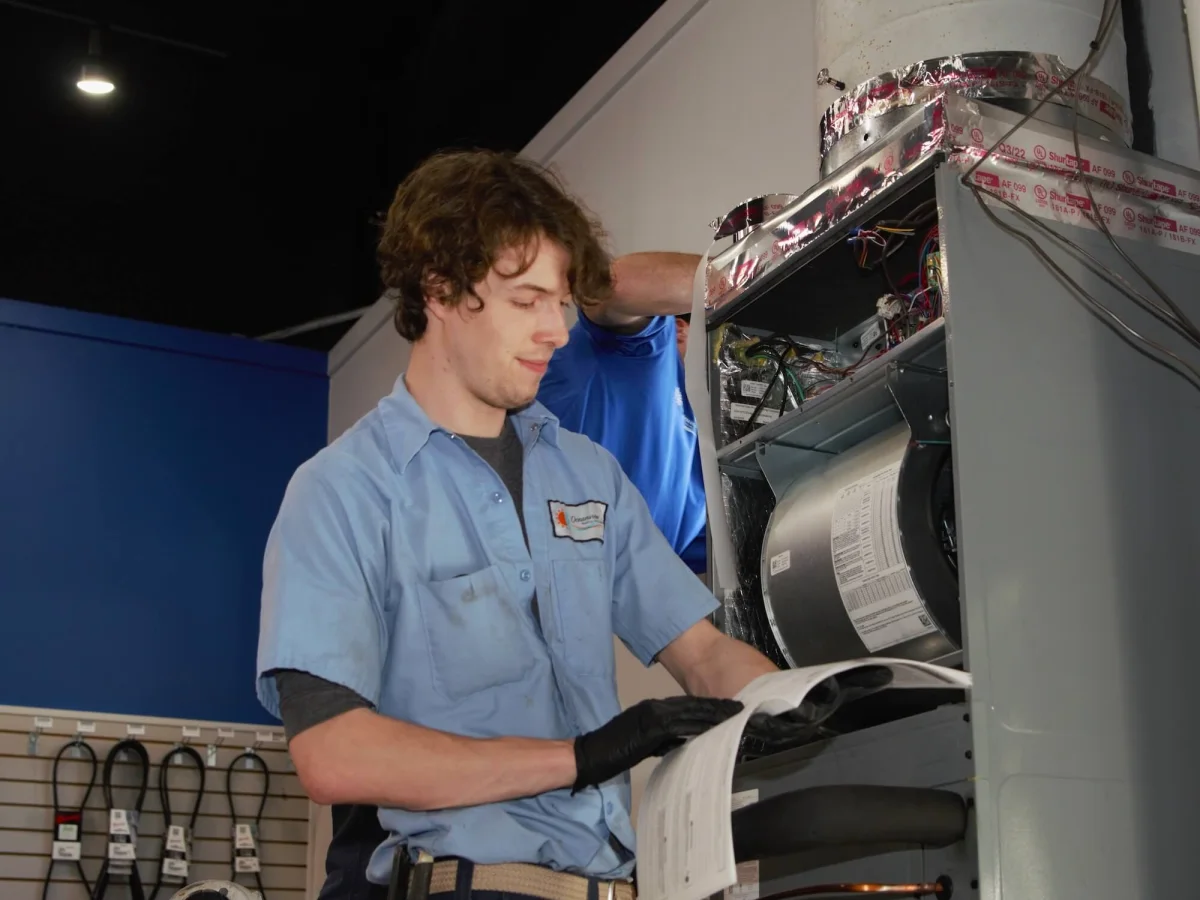
These install in the return side of your ductwork and treat air as it moves through the system. Depending on the type, they use dense pleated media, electronic charging, or a combination, to capture or neutralize particles the standard filter lets through.
They reduce airborne dust, pollen, pet dander, smoke particles and some odors. In spring, when Summerville earns its Flowertown in the Pines name and pine pollen coats everything from Ladson to Mount Pleasant, an air cleaner meaningfully lowers how much of it circulates indoors. It also captures the finer particles that pass straight through a cheap 1-inch filter.
Being straight about the limits
Any duct-mounted purifier only treats air that goes through the ducts. When the blower is off, nothing is being cleaned. If your system short-cycles, or the ductwork leaks badly under the house, the equipment cannot do the job it was designed to do. That is why we look at the whole system before we quote anything.
We also will not tell you that air purification prevents, treats or cures anything. It reduces airborne particles, allergens and odors in your home. That is a real and worthwhile benefit, and it is where the claims should stop.
And it does not solve dampness. If your house is cool but clammy, the air is still going to feel wrong no matter what you install in the return. That is a job for a whole-home dehumidifier, and we would rather tell you that before you spend money on the wrong box.
Which one fits your house
Some quick guidance based on what we actually find in Lowcountry homes:
- Musty smell when the system starts. Coil UV light, plus a look at the drain line and pan. Very often a same-visit diagnosis.
- Visible dust settling fast, allergy complaints in spring. Whole-home air cleaner, paired with the right filtration setup.
- Older home over a vented crawlspace with a persistent earthy smell. Check the ductwork first. Damp, separated duct in a crawlspace pulls that odor straight into your rooms, and sealing it fixes more than any purifier will.
- Pets, smokers, or a house that never fully airs out. Air cleaner with carbon media, and honest expectations about odor reduction rather than elimination.
- Recent water intrusion or a flooded crawlspace after a storm. Deal with the moisture source first. Purification comes after, not instead.
Installation and what drives the cost
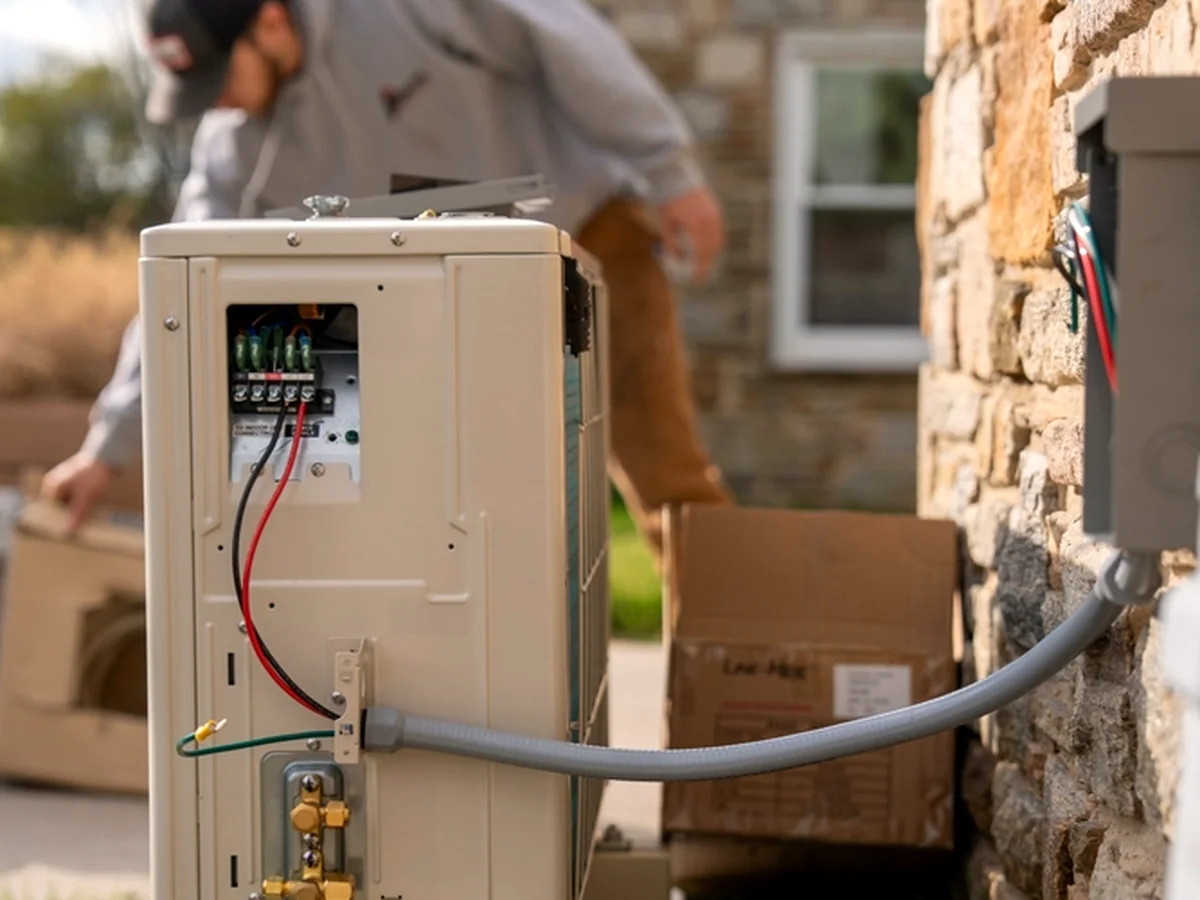
Both types install into your existing system, so the work centers on your air handler and return plenum. A coil light is a relatively contained job. An air cleaner usually means modifying the return to fit a cabinet, and that is where the variables live: available space around the equipment, attic or closet access, existing duct condition and whether your blower can handle the added resistance without hurting airflow.
That last point matters more than people expect. A purifier that chokes airflow trades one problem for a worse one. We check static pressure rather than assume, and if your system cannot support a given product we will say so instead of selling it to you anyway.
You get a written itemized quote after we have seen the house. Our technicians are paid no commission on equipment, so the recommendation you get is the one we would give a family member. Financing is available subject to approved credit.
If you want a straight assessment of whether purification will actually help your home, call or text 843-609-5740, or reach us here. We cover Summerville, Charleston and the whole tri-county area.