

Heating equipment in the Lowcountry spends most of the year switched off, or working as your air conditioner. Then one week in November or December the temperature drops thirty degrees in two days, everyone turns the heat on for the first time since March, and the phone rings all day.
That first cold snap is the worst possible moment to discover a problem. It is the moment when parts suppliers are picked over, when every contractor in the tri-county area is booked, and when a fault that would have been a routine repair in October becomes a night without heat. A fall service visit exists to move that discovery to a day when it does not matter.
Book it in the fall, not in the cold
October and early November are the window. The system has just come off eight months of cooling duty, so anything that wore out over the summer is still there waiting for you, and heating faults can be found and fixed on a mild day with parts readily available.
There is a second reason specific to this climate: your heating equipment and your cooling equipment are usually the same machine. Whatever we find in the fall has been affecting your power bill all summer too.
Maintaining a heat pump is a different job
Most homes here have a heat pump, even if the homeowner calls it a furnace. Servicing one has almost nothing in common with servicing a gas appliance, and a technician who only checks the indoor unit has done half the visit.
Defrost cycle testing
On a damp 40°F Lowcountry morning a heat pump frosts over, and it relies on a defrost cycle to clear itself. That cycle depends on a control board, a sensor and a reversing valve all working together. We force a defrost and watch it happen rather than assuming it will. A failed defrost board is one of the most common winter breakdowns we see, and it is invisible until the weather turns.
Auxiliary heat strips
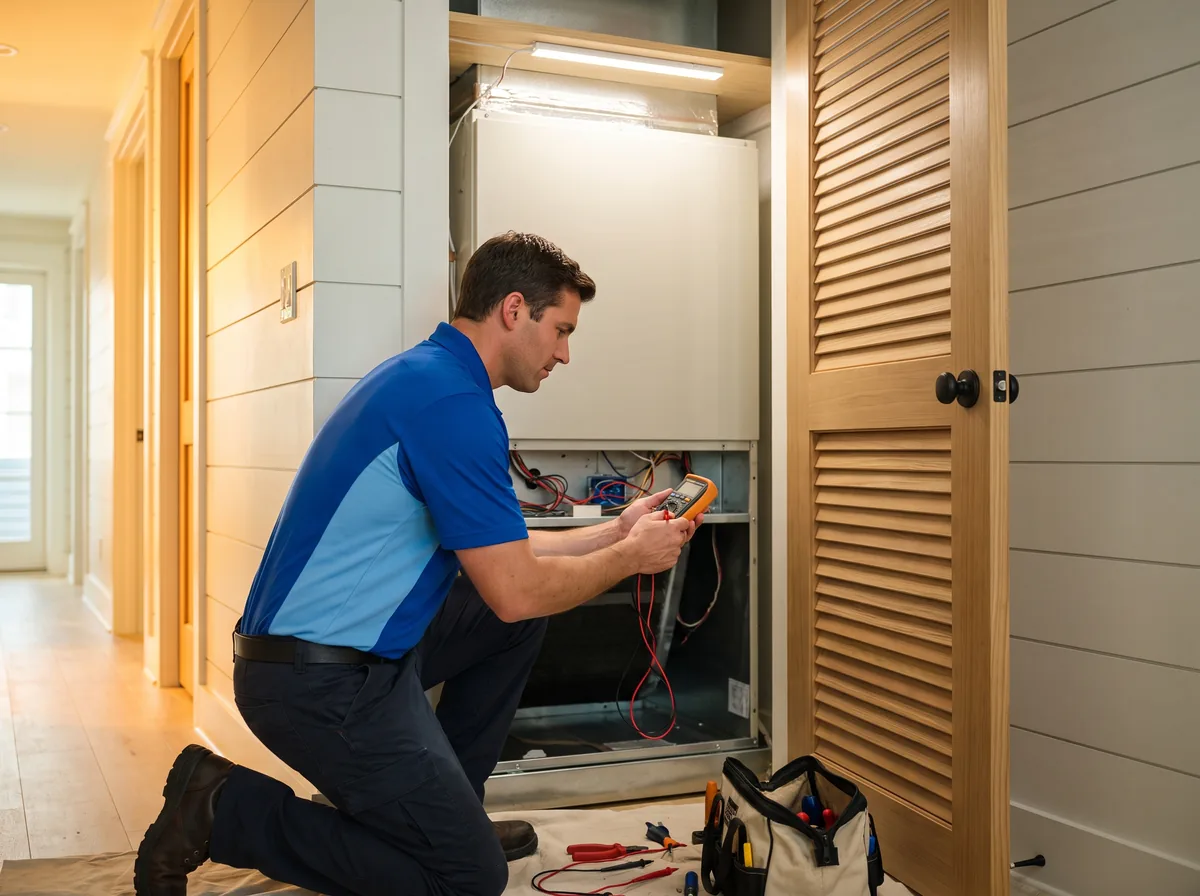
Every heat pump here has electric resistance strips as backup. We energize each stage, measure the amp draw against its rating, and confirm the sequencer brings them on and off correctly. Two things go wrong: a strip that has burned out, which leaves you short on the coldest morning, and strips that engage far more readily than they should, which is what doubles a January power bill. We also review the thermostat configuration, because a thermostat set up incorrectly will call for auxiliary heat when the heat pump could handle it perfectly well.
Reversing valve and changeover
We run the system through changeover in both directions and verify it actually switches, that the outdoor coil temperature responds the way it should, and that the charge is right for heating operation as well as cooling. A system can cool acceptably and still heat badly.
If you do have a gas furnace
Gas furnaces are the minority around Charleston, but where there is one the visit shifts to safety first. We inspect the heat exchanger, test combustion, check the flue and venting for blockage and corrosion, verify gas pressure, and test every safety control and limit.
Short heating seasons let faults hide for years. Drain traps dry out and then clog, insects and dust settle in the burner compartment, flues attract nesting, and cabinets corrode quietly through a humid summer. We also test your carbon monoxide alarms while we are there, and if you do not have them on every level we will tell you. More on what we look for on our furnace service page.
On every heating visit
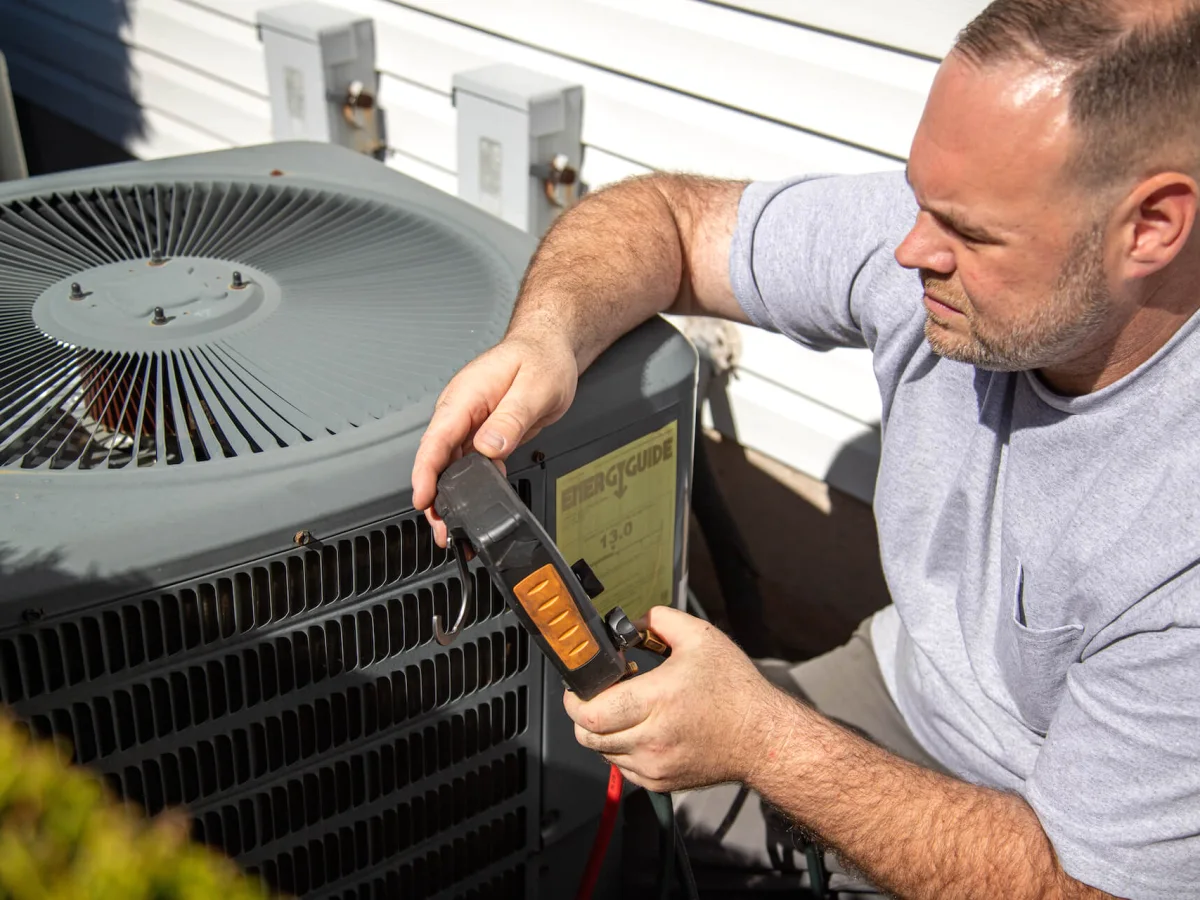
- Clean and inspect the outdoor coil and cabinet, including salt corrosion checks near the water
- Inspect the indoor coil, blower wheel and drain pan
- Verify refrigerant charge in heating mode
- Test capacitors, contactors and motor amp draw against rated values
- Tighten and inspect electrical connections for heat damage
- Measure temperature rise and static pressure across the system
- Check the filter, and tell you honestly how often yours needs changing
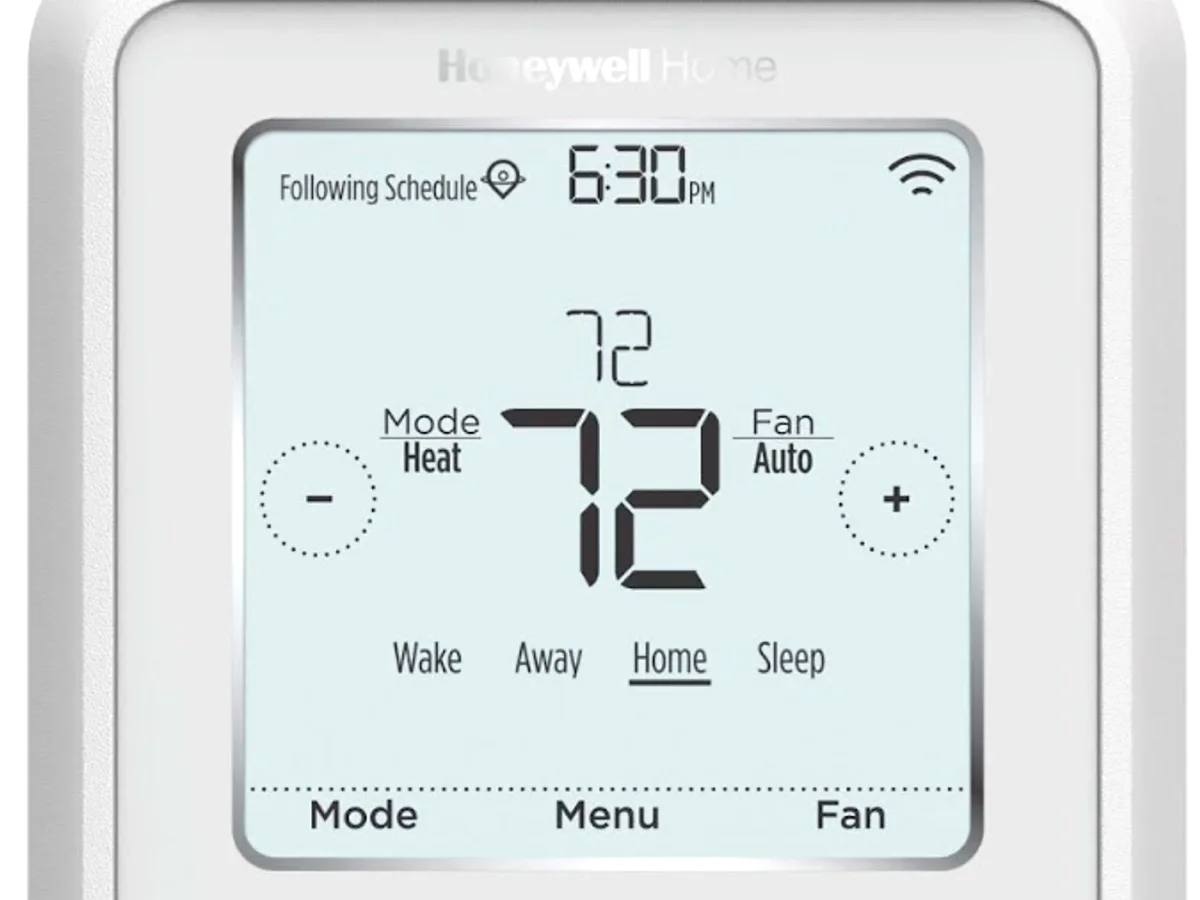
- Confirm thermostat calibration, staging and changeover settings
- Clear the condensate drain and confirm the safety switch works
You get the actual readings, not a checkmark on a form. Anything drifting out of range gets shown to you with an explanation of what it means and how urgent it is.
Staying ahead of it
Two visits a year is the right rhythm here — one before the cooling season and one before the heating season. Our Harbor Club membership handles the scheduling so it does not fall off your list, and members go to the front of the line when something does break. If you have not yet booked your spring cooling tune-up, we can set both up at once.
Systems break in spite of good maintenance, and when yours does we handle the repair. To schedule fall heating service, call or text 843-609-5740 or book online. Every visit is backed by our 100% satisfaction guarantee.